
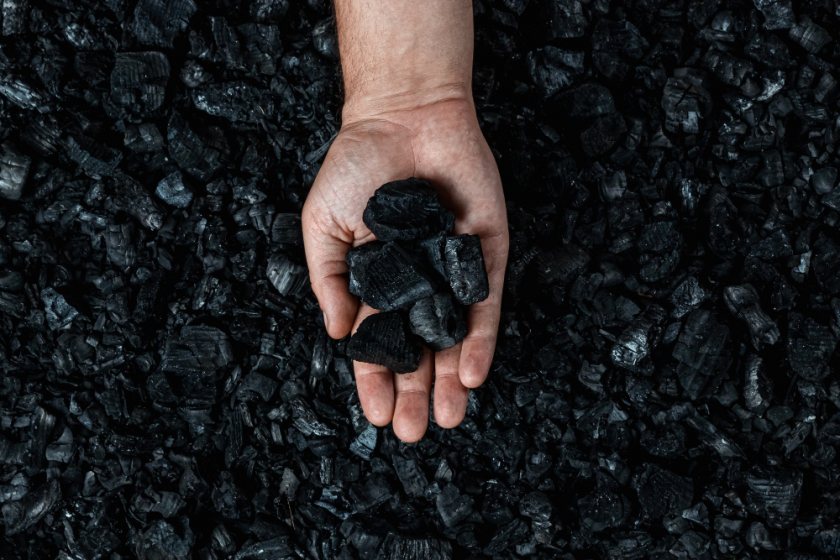
Low emission charcoal briquettes and other eco-friendly charcoal alternatives are increasingly recognized as cleaner and more sustainable energy sources compared to conventional fuels. In many developing countries, charcoal continues to serve as a main source of fuel for daily cooking and heating needs.
However the conventional methods of producing and using charcoal greatly contribute to air pollution, deforestation, and the release of greenhouse gases. As concerns about climate change and public health grow, exploring cleaner charcoal alternatives becomes crucial. Learn more about these briquettes at JacoID – Low Emission Charcoal Briquettes.
Why Traditional Charcoal Is a Problem
Traditional charcoal production often involves inefficient burning of wood, which releases large amounts of smoke and harmful pollutants such as particulate matter, carbon monoxide and greenhouse gases. This not only degrades air quality but also contributes to deforestation as wood is harvested unsustainably. The health impacts include respiratory diseases, especially in households that rely heavily on charcoal for cooking.
What Are Low Emission Charcoal Alternatives?
Low emission charcoal alternatives are fuels or materials designed to release fewer harmful emissions during production and use. These eco-friendly options include briquettes made from agricultural waste, biochar and improved biomass stoves. Such technologies burn fuel more efficiently and with less smoke. By using renewable and waste-based materials, they help reduce air pollution, conserve forests and improve public health.
Types of Low Emission Charcoal Alternatives
1. Agricultural Waste Briquettes
Briquettes made from rice husks, coconut shells, sawdust, and other organic waste are a popular and eco-friendly alternative to traditional charcoal. They burn cleaner with less smoke and emissions and make use of materials that would otherwise be discarded, supporting a more sustainable approach to energy use.
2. Biochar
Biochar is a carbon-dense substance produced by heating organic biomass in an oxygen-free environment through a process known as pyrolysis. It releases less pollution and enhances soil health by improving nutrient levels, water retention, and carbon sequestration.
3. Improved Cookstoves
These stoves burn fuel more fully, reducing smoke and increasing efficiency. When combined with cleaner fuels, they significantly cut indoor and outdoor pollution.
How Low Emission Alternatives Work
These alternatives work by improving combustion efficiency or by using materials that inherently produce fewer emissions. For instance, briquettes produced from agricultural residues are dense in form and offer more efficient combustion. Biochar is produced through pyrolysis, which limits oxygen exposure and reduces harmful byproducts.
Environmental and Health Benefits
The use of low emission alternatives significantly reduces fine particulate matter and toxic gases such as carbon monoxide and volatile organic compounds, which are linked to respiratory illnesses including asthma and infections. Beyond health benefits, these fuels reduce environmental impacts like smog and poor air quality.
Efforts to Promote Low Emission Charcoal Alternatives
Governments, NGOs, private sectors, and local communities have begun working together to promote these alternatives. Strategies include policy support, education programs, subsidies, and infrastructure development to make low emission fuels and stoves more accessible and affordable. Such efforts are critical to scaling up adoption and achieving long-term environmental and health goals. Learn more about these initiatives at JacoID.
Conclusion
Promoting low emission charcoal alternatives is essential to effectively reduce air pollution and protect human health and the environment. These sustainable energy solutions offer long-term benefits, including improved indoor air quality, reduced dependence on forest resources and lower greenhouse gas emissions.
Collaboration among governments, NGOs, private sectors and communities through policies, education, incentives, and infrastructure development is key to transitioning toward cleaner, more sustainable energy systems.