The question “are charcoal briquettes made from coal” is frequently raised by international buyers, distributors, and end consumers, largely because many assume that all black solid fuels originate from coal. Although coal briquettes do exist, they belong to a different product category, particularly when compared to charcoal briquettes used for BBQ, restaurants, and shisha
With this distinction in mind, buyers looking for high-quality products often turn to trusted charcoal briquettes exporter Indonesia, as understanding the production process helps explain why these briquettes are a preferred choice in global markets.
What Are Charcoal Briquettes?

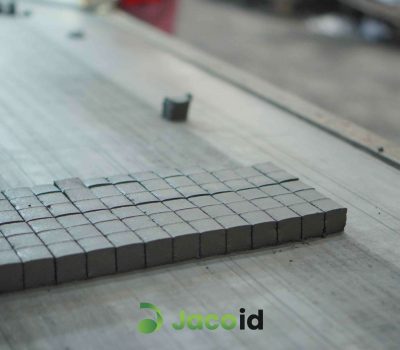
Charcoal briquettes are compressed blocks of charcoal dust that have been reshaped into uniform forms such as pillow-shaped, hexagonal, or cubic pieces. The raw materials typically include:
- Coconut shells
- Agricultural by-products
The production process begins with carbonization, where organic material is burned in a low-oxygen environment to create charcoal with high carbon content.
Here is a simplified overview of the production stages:
Carbonization
Coconut shells are burned in specially designed kilns under controlled temperatures to produce high-quality charcoal.
Crushing
The charcoal is ground into fine powder.
Mixing
The powder is blended with a natural binder to ensure strong and durable briquettes.
Molding
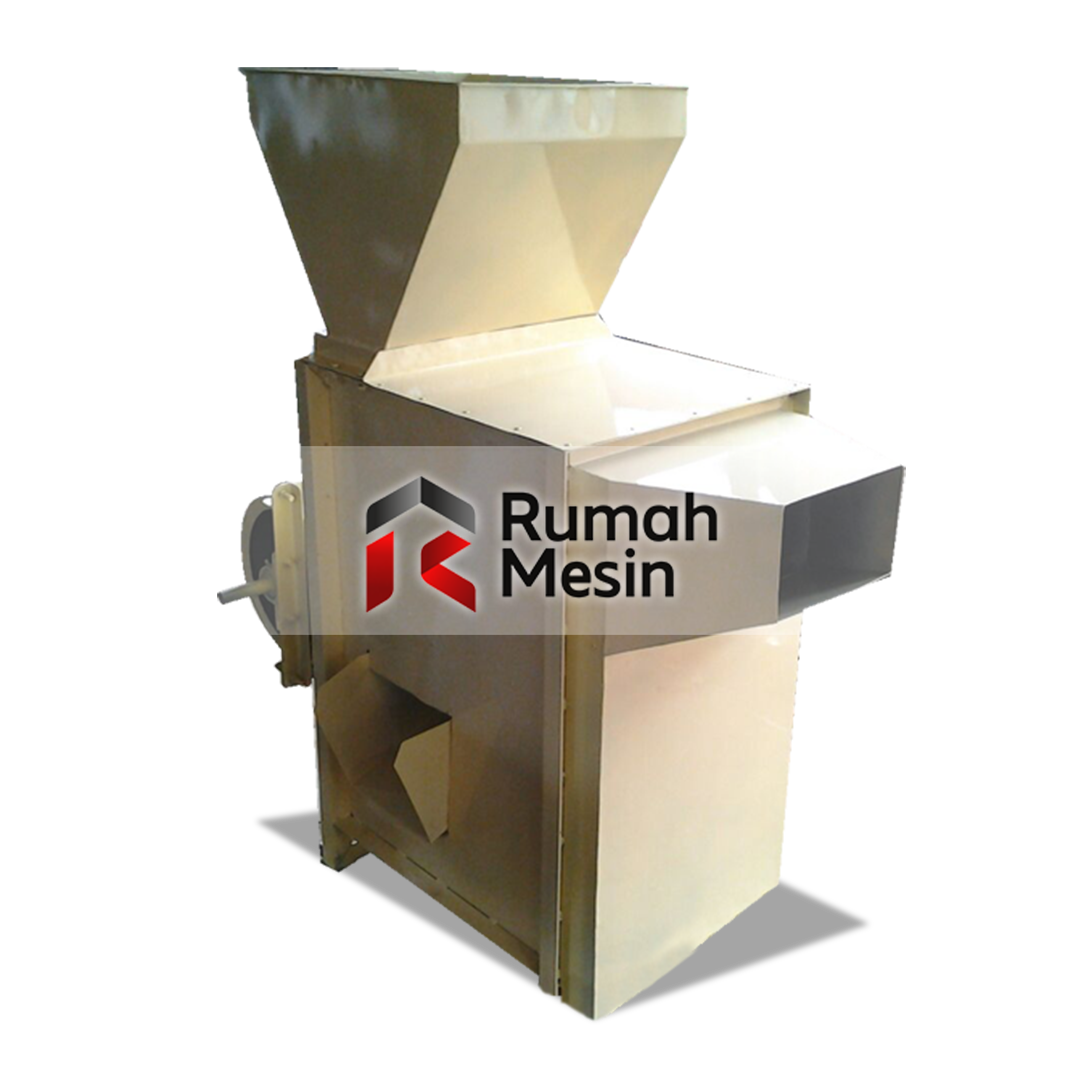
The mixture is compressed using hydraulic machines into desired shapes.
Drying
The briquettes are dried in ovens or under sunlight until the moisture content drops below approximately 8%.
This careful process ensures long burning time, stable heat output, and minimal smoke.
Advantages of Indonesian Charcoal Briquettes
Indonesia has a competitive advantage due to its abundant coconut resources. As a result, many charcoal briquettes exporter Indonesia businesses are recognized for producing consistent, high-quality briquettes.
Key advantages include:
- Long burning time (2–3 hours for BBQ, even longer for shisha)
- Low ash content
- Stable and high heat
- Odorless combustion
- Minimal sparks
Thanks to this meticulous production, Indonesian manufacturers can offer high-quality charcoal briquettes with consistent performance, giving them a competitive edge in global markets.
Do Any Charcoal Briquettes Contain Coal?

Although high-quality charcoal briquettes produced for export generally do not contain coal, it remains essential for buyers to verify detailed product specifications to ensure integrity, consistency, and suitability for their specific market requirements.
Reputable suppliers provide:
- Laboratory test reports
- Fixed carbon percentage data
- Ash content specifications
- Moisture content analysis
While these qualities make the briquettes highly sought after, buyers should still verify specifications to ensure the product meets their standards and contains no coal.
Indonesia’s Role in the Global Market
Indonesia is currently one of the largest exporters of coconut shell charcoal briquettes worldwide. Major export destinations include the United States, Germany, Saudi Arabia, Turkey, and the United Arab Emirates.
Given its extensive reach in global markets, Indonesia continues to strengthen its position as a key and reliable supplier of high-quality charcoal briquettes.
How to Choose High-Quality Charcoal Briquettes
If you are an importer or distributor, consider the following tips to ensure you select the best products:
- Ensure the briquettes are made from 100% coconut shell charcoal.
- Check that moisture content is below 8%.
- Look for ash content below 2.5% for premium shisha products.
- Request product samples before bulk purchase.
- Work with experienced exporters with proven track records.
By carefully following these guidelines, buyers can secure a reliable supplier, ensuring consistent product quality and long-term business success.
Conclusion
So, are charcoal briquettes made from coal? The answer is no. Charcoal briquettes are typically produced from carbonized biomass materials such as coconut shells or wood, not from coal. With this clear distinction in mind, it becomes easier to understand why Indonesia has emerged as a leading global supplier, supported by its abundant raw materials and high manufacturing standards.